

How does humidity affect an air filter element?
Jan 16, 2026
Leave a message
Humidity is a crucial environmental factor that can significantly impact the performance and lifespan of air filter elements. As a leading air filter element supplier, we understand the complexities associated with humidity and its effects on our products. In this blog post, we will delve into the science behind how humidity affects air filter elements and provide insights into how to mitigate these effects.
The Basics of Air Filter Elements
Before we discuss the impact of humidity, let's briefly review the basic functions of air filter elements. Air filter elements are designed to remove contaminants such as dust, pollen, and other particulate matter from the air. They work by forcing air through a porous material that traps these particles, allowing clean air to pass through. The efficiency of an air filter element is determined by its ability to capture these contaminants while maintaining a low pressure drop, which ensures proper airflow.
How Humidity Affects Air Filter Elements
Humidity can have several detrimental effects on air filter elements, primarily due to the presence of water vapor in the air. Here are some of the key ways humidity can impact the performance of air filter elements:
1. Reduced Filtration Efficiency
High humidity levels can cause water vapor to condense on the surface of the air filter element. This condensation can create a thin layer of water on the filter media, which can reduce its ability to capture particulate matter. The water can also cause the particles to clump together, making them more difficult to trap. As a result, the filtration efficiency of the air filter element can decrease significantly, allowing more contaminants to pass through into the system.
2. Increased Pressure Drop
When water vapor condenses on the air filter element, it can also cause the filter media to become saturated. This saturation can increase the resistance to airflow, leading to a higher pressure drop across the filter. A higher pressure drop can reduce the overall performance of the system by decreasing the airflow rate and increasing the energy consumption of the system. In severe cases, the increased pressure drop can even cause the system to fail.
3. Mold and Bacteria Growth
Humid environments provide an ideal breeding ground for mold and bacteria. When water vapor condenses on the air filter element, it can create a moist environment that is conducive to the growth of these microorganisms. Mold and bacteria can not only reduce the effectiveness of the air filter element but can also pose a health risk to the occupants of the building. In addition, the growth of mold and bacteria can cause unpleasant odors and discoloration of the filter media.
4. Corrosion
In some cases, high humidity levels can also cause corrosion of the air filter element. This is particularly true for metal components of the filter, such as the frame or end caps. Corrosion can weaken the structure of the filter element, making it more prone to damage and failure. It can also reduce the lifespan of the filter element, requiring more frequent replacement.
Mitigating the Effects of Humidity
While humidity can have a significant impact on the performance of air filter elements, there are several steps that can be taken to mitigate these effects. Here are some recommendations:
1. Use Moisture-Resistant Filter Media
One of the most effective ways to reduce the impact of humidity on air filter elements is to use moisture-resistant filter media. These materials are designed to repel water and prevent it from saturating the filter media. Moisture-resistant filter media can help maintain the filtration efficiency of the air filter element and reduce the risk of mold and bacteria growth.
2. Install a Dehumidifier
Installing a dehumidifier in the system can help reduce the humidity levels in the air. By removing excess moisture from the air, a dehumidifier can prevent water vapor from condensing on the air filter element and reduce the risk of mold and bacteria growth. In addition, a dehumidifier can help improve the overall efficiency of the system by reducing the pressure drop across the filter.
3. Maintain Proper Airflow
Proper airflow is essential for the performance of air filter elements. By ensuring that the system is designed to provide adequate airflow, you can help prevent the buildup of moisture on the filter media. In addition, proper airflow can help reduce the risk of mold and bacteria growth by keeping the filter media dry.
4. Regularly Replace the Air Filter Element
Regularly replacing the air filter element is one of the most important steps in maintaining its performance. Over time, the filter media can become clogged with contaminants and moisture, reducing its efficiency and increasing the pressure drop across the filter. By replacing the air filter element at the recommended intervals, you can ensure that it is functioning properly and providing clean air to the system.
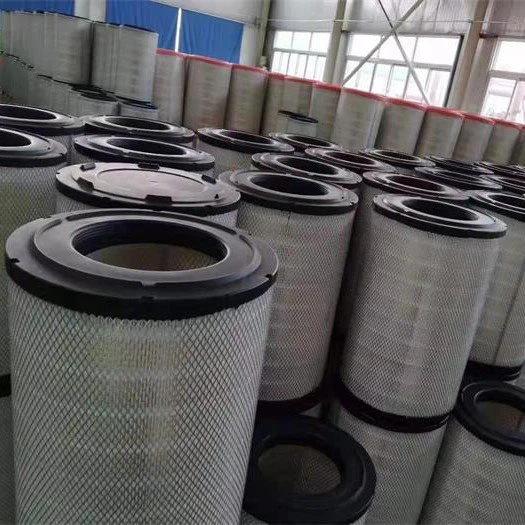

Our Product Recommendations
As an air filter element supplier, we offer a wide range of products that are designed to withstand the effects of humidity. Here are some of our recommended products:
- Air dust filter element 3 micron filtration accuracy 325*900: This air dust filter element offers 3 micron filtration accuracy and is designed to provide high-efficiency filtration in a variety of applications. It is made from high-quality materials that are resistant to moisture and can withstand the rigors of humid environments.
- Screw machine air filter element 1630040699: This screw machine air filter element is specifically designed for use in screw machines. It is made from a durable material that is resistant to moisture and can provide reliable filtration in high-humidity environments.
- Glass fiber folded filter element DP83150HFB DP83150GFV: This glass fiber folded filter element offers high-efficiency filtration and is designed to provide long-lasting performance. It is made from a moisture-resistant material that can prevent the growth of mold and bacteria and maintain its filtration efficiency in humid environments.
Conclusion
Humidity can have a significant impact on the performance and lifespan of air filter elements. By understanding the effects of humidity and taking appropriate steps to mitigate these effects, you can ensure that your air filter elements are functioning properly and providing clean air to your system. As an air filter element supplier, we are committed to providing high-quality products that are designed to withstand the challenges of humid environments. If you have any questions or would like to learn more about our products, please contact us for a consultation and procurement discussion.
References
- ASHRAE Handbook - HVAC Systems and Equipment. American Society of Heating, Refrigerating and Air-Conditioning Engineers, Inc., 2016.
- ISO 16890:2016, Air filters - Determination of filtration performance. International Organization for Standardization, 2016.
Send Inquiry