

How does the quality of the filter media affect a folding oil filter element's performance?
Dec 31, 2025
Leave a message
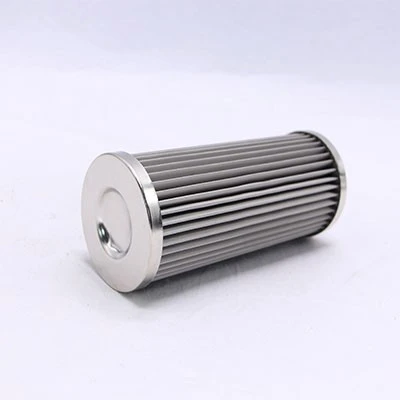
As a supplier of folding oil filter elements, I've witnessed firsthand how the quality of filter media can significantly impact the performance of these crucial components. In this blog, I'll delve into the various aspects of how filter media quality affects the performance of folding oil filter elements, drawing on my experience in the industry.
Filtration Efficiency
One of the most critical performance indicators of a folding oil filter element is its filtration efficiency. The quality of the filter media directly determines how effectively the filter can remove contaminants from the oil. High - quality filter media are designed with precise pore sizes and uniform structures. For example, advanced synthetic filter media can be engineered to have consistent pore diameters, which allows them to capture particles of specific sizes with high accuracy.
When the filter media has a high level of quality, it can trap a large percentage of contaminants, including dirt, metal particles, and other debris, even at very small sizes. This is essential for protecting the machinery that relies on clean oil. In contrast, low - quality filter media may have inconsistent pore sizes, which can lead to some contaminants slipping through the filter. This not only reduces the overall filtration efficiency but also poses a risk to the equipment's long - term health. For instance, if small metal particles are not filtered out, they can cause abrasion in the engine or hydraulic system, leading to premature wear and potential breakdowns.
Dirt - Holding Capacity
Another important factor affected by the quality of filter media is the dirt - holding capacity of the folding oil filter element. High - quality filter media are typically made from materials that can hold a large amount of contaminants before reaching their saturation point. These materials have a porous structure that can accommodate the accumulation of dirt over time without significantly increasing the pressure drop across the filter.
For example, some high - end filter media are designed with a multi - layer structure. The outer layers can capture larger particles, while the inner layers are responsible for trapping smaller contaminants. This hierarchical design allows the filter to hold more dirt overall. In contrast, low - quality filter media may have a limited dirt - holding capacity. Once they reach their saturation point, the pressure drop across the filter will increase rapidly, which can lead to reduced oil flow and potentially cause the filter to bypass, allowing unfiltered oil to circulate through the system.
Pressure Drop
The pressure drop across a folding oil filter element is a key performance parameter. It represents the resistance that the oil encounters as it passes through the filter. The quality of the filter media plays a vital role in determining the pressure drop. High - quality filter media are engineered to provide efficient filtration while maintaining a relatively low pressure drop.
They are designed with a balance between porosity and particle - capturing ability. This means that the oil can flow through the filter with minimal resistance, ensuring that the equipment receives a sufficient supply of oil at the right pressure. On the other hand, low - quality filter media may have a high pressure drop due to their inefficient structure. This can cause the oil pump to work harder, consuming more energy and potentially leading to a decrease in the overall efficiency of the system.
Longevity and Durability
The quality of the filter media also affects the longevity and durability of the folding oil filter element. High - quality filter media are made from materials that can withstand the harsh conditions of oil filtration, including high temperatures, chemical exposure, and mechanical stress. For example, some filter media are made from synthetic fibers that are resistant to chemical degradation and can maintain their structural integrity at elevated temperatures.
These durable filter media ensure that the filter element can perform effectively over an extended period. In contrast, low - quality filter media may deteriorate quickly under the same conditions. They may break down, release fibers into the oil, or lose their filtration efficiency over time. This not only requires more frequent filter replacements but also increases the risk of system contamination.

Compatibility with Oil
The quality of filter media also determines its compatibility with different types of oil. High - quality filter media are designed to be compatible with a wide range of oils, including mineral oils, synthetic oils, and bio - based oils. They do not react chemically with the oil, which ensures that the oil's properties remain stable during the filtration process.
For example, some filter media are treated to prevent the absorption of oil additives, which are essential for the oil's performance. This compatibility is crucial for maintaining the oil's lubricating and cooling properties. Low - quality filter media, however, may not be as well - suited for different oil types. They may absorb or react with the oil, leading to changes in the oil's composition and potentially reducing its effectiveness.
Real - World Examples of High - Quality Filter Elements
As a folding oil filter element supplier, we offer a range of high - quality products. For example, our Replaces 0240D025W/HC Stainless Steel Filter Element is made from high - quality stainless - steel filter media. This filter element provides excellent filtration efficiency, high dirt - holding capacity, and long - term durability. It is designed to withstand harsh operating conditions and is compatible with a variety of hydraulic oils.
Another product, the Hydraulic Oil Filter INR - S - 0095 - API - PF010 - V Is Made Of Stainless Steel Filter Material, also showcases the benefits of high - quality filter media. The stainless - steel filter material ensures efficient filtration and resistance to corrosion, making it suitable for use in demanding hydraulic systems. Additionally, our Replace MP FILTRI filter element HP0201A03AH is engineered with top - notch filter media to provide reliable performance and protection for your equipment.
Conclusion
In conclusion, the quality of the filter media has a profound impact on the performance of a folding oil filter element. It affects filtration efficiency, dirt - holding capacity, pressure drop, longevity, and compatibility with oil. As a supplier, we understand the importance of providing high - quality filter elements to our customers. By using high - quality filter media, we can ensure that our products offer superior performance and protection for your machinery.
If you are in the market for folding oil filter elements and are looking for reliable and high - performance products, we invite you to contact us for procurement and further discussions. Our team of experts is ready to assist you in finding the right filter element for your specific needs.
References
- "Filtration Handbook" by P. A. Schweitzer.
- "Hydraulic Systems and Components" by E. O. Doebelin.
- Industry reports on oil filtration technology and filter media performance.
Send Inquiry